

How to Install an Interior Door: A Step-by-Step Guide for Homeowners
Replacing an interior door is one of those DIY projects that looks intimidating but is surprisingly achievable. Whether your old door is warped, damaged, or just outdated, installing a new slab or pre-hung door can transform a room’s look. Let’s walk through the process like a pro.

First, Know What You’re Buying
There are two types of interior doors:
Slab door – just the door itself, no frame. You’ll need to mortise hinges and cut the latch hole. It’s cheaper but requires more skill.
Pre-hung door – the door already attached to a frame (jamb) with hinges. Much easier for beginners. I’ll focus on this.
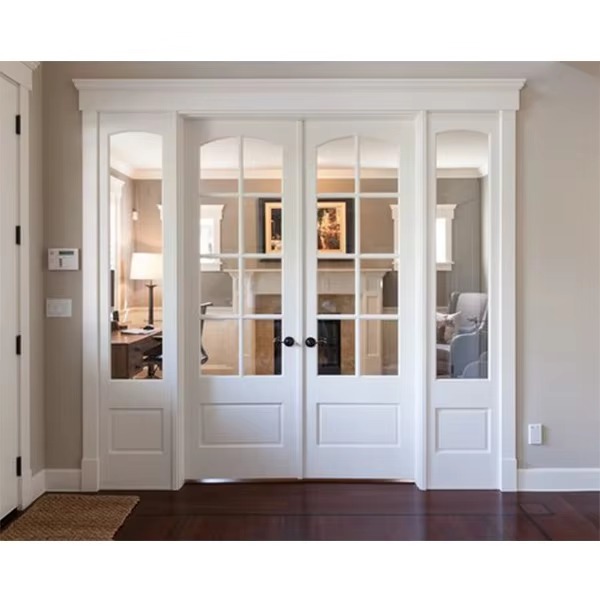
Tools You’ll Need
Tape measure
Level (4-foot recommended)
Shims (wood or plastic)
Hammer
Screwdriver or drill
Utility knife
Pry bar
Reciprocating saw (for removing old frame)
Casing nails or finish nails
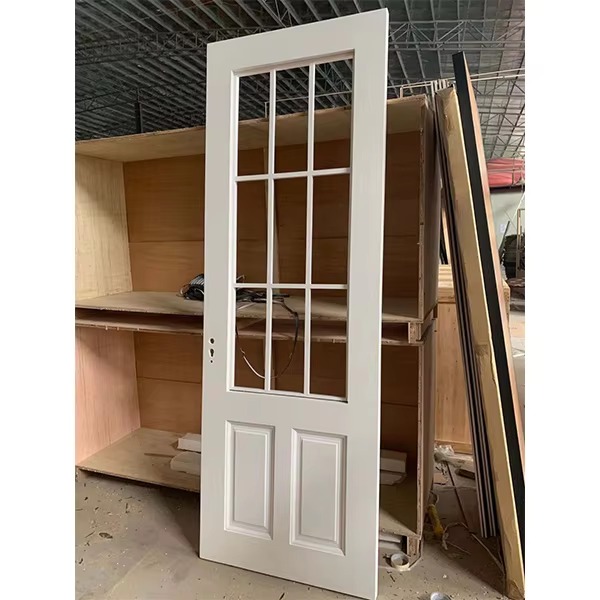
Step 1: Remove the Old Door & Frame
Open the door and pull the hinge pins. Remove the door slab. Then use a pry bar to carefully remove the casing (trim) around the frame. Cut any nails holding the old jamb with a reciprocating saw. Pull the entire frame out. Clean the opening – remove old insulation or debris.
Step 2: Prepare the Rough Opening
Check if the opening is square. Measure the width and height at three points (top, middle, bottom). The rough opening should be about 1–1.5 inches wider and 0.5–1 inch taller than your new pre-hung door. If it’s too tight, shave the studs. Too loose? You’ll use shims to fill gaps.
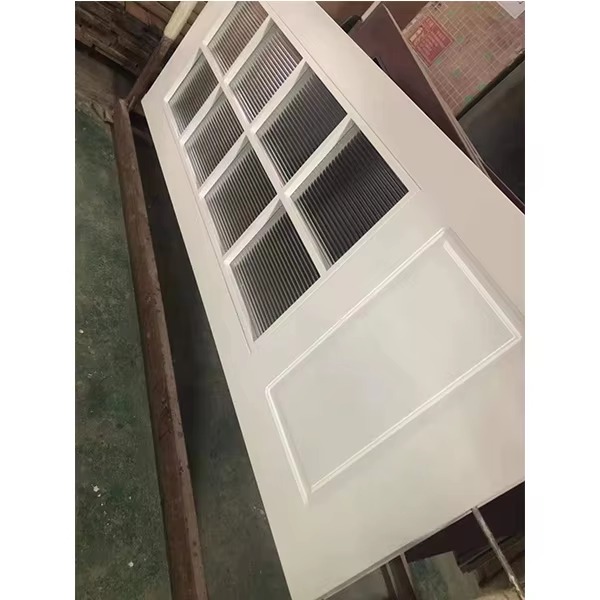
Step 3: Dry Fit the New Door
Set the new pre-hung door into the opening without nailing. Slide it so the hinge side sits flush with the drywall. Place a level against the hinge side jamb – it must be perfectly plumb (vertical). Also check the head jamb (top) is level.
Step 4: Shim and Secure the Hinge Side
With the door in position, insert shims between the jamb and the stud behind each hinge. Tap them gently until the jamb is plumb. Drive a screw (provided with many kits) through the hinge jamb and the shims into the stud. Do not over-tighten – the jamb should not bow.
Step 5: Square the Latch Side
Now close the door. Check the gap between the door and the latch jamb – it should be even (about 1/8 inch). Shim behind the latch side jamb, keeping it straight. Secure with screws. Open and close the door to ensure the latch aligns perfectly with the strike plate.
Step 6: Insulate and Trim
If there are gaps between the jamb and rough opening, stuff with fiberglass insulation (for sound and energy). Then reinstall the casing – nail the trim around the perimeter. Use a nail set to sink finish nails, then fill holes with wood filler.
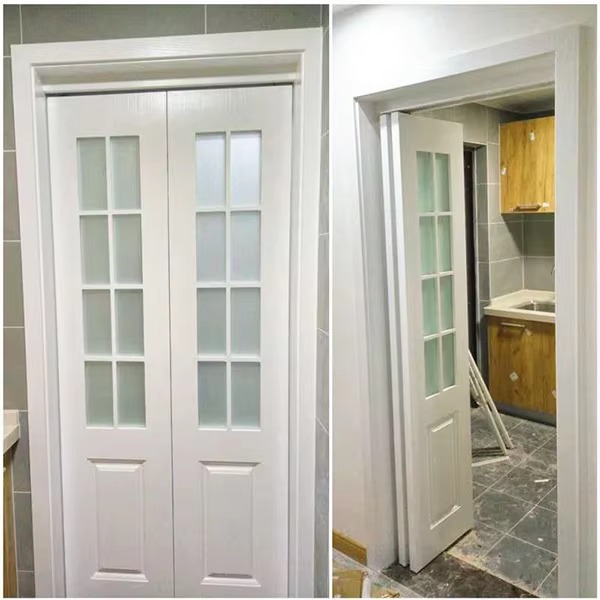
Step 7: Install Hardware
Install the door knob or lever according to the manufacturer’s instructions. Typically, the latch slides into the edge hole, then the two knobs screw together. Test the action – the latch should click smoothly into the strike plate.
Real-World Tips
Don’t skip the level – A door that isn’t plumb will swing open or closed on its own.
Shims are your friend – Even a perfect-looking opening will need shims. They prevent the frame from bending when you screw it in.
Check floor level – If your floor slopes, you may need to trim the bottom of the door. Leave a 3/8-inch to 1/2-inch gap for carpet, less for hardwood.

Work slowly – Installing your first door might take 2–3 hours. By the third one, you’ll be done in 45 minutes.
When to Call a Pro
If the rough opening is severely out of square (more than 1/2 inch), or if you’re dealing with load-bearing walls and a header that’s rotted, it’s wise to consult a contractor. Also, if you don’t own a level or a saw, hiring a pro might be cheaper than buying tools.
Final Thoughts
Installing an interior pre-hung door is a rewarding weekend project. The key is patience, shims, and a good level. Once you see that new door swing smoothly and the trim painted, you’ll wonder why you waited so long.
Have questions about choosing the right door style or size? [Contact us] for expert advice.


