

A lacquer kitchen door is widely used in contemporary kitchen design due to its smooth surface, refined appearance, and long-term performance. However, many buyers face common challenges when selecting the right lacquer kitchen door, such as concerns about durability, maintenance, color stability, cost control, and suitability for different kitchen environments. This article provides a comprehensive and structured guide to understanding lacquer kitchen doors, covering materials, manufacturing processes, performance characteristics, selection criteria, and practical application scenarios. The goal is to help decision-makers make informed choices while minimizing risks and maximizing long-term value.
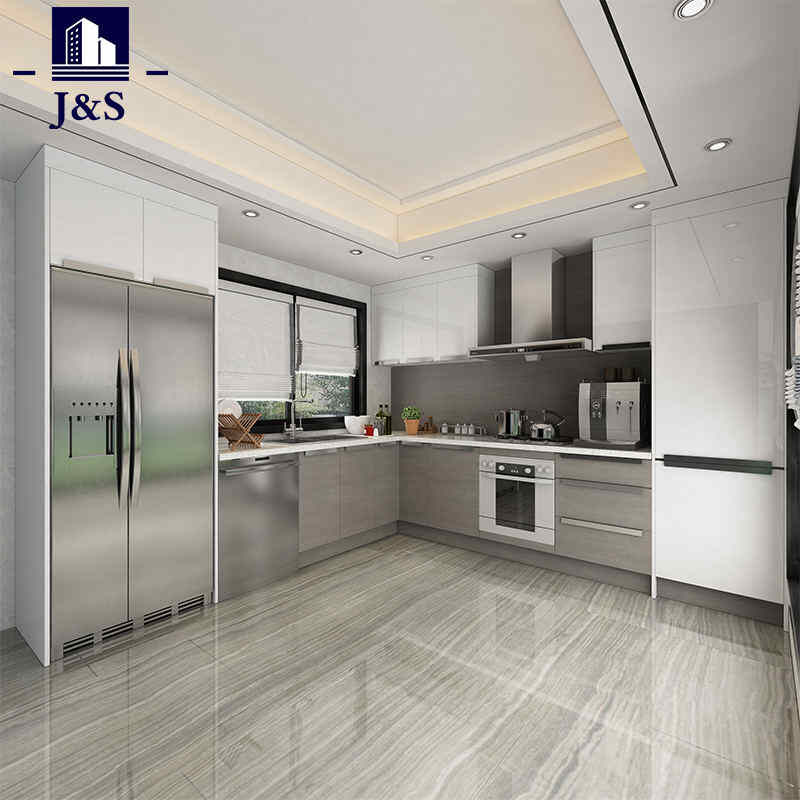
A lacquer kitchen door is a cabinet door finished with multiple layers of lacquer coating applied to a solid or engineered core material. Through repeated spraying, curing, and polishing, the surface achieves a uniform, glossy, or matte appearance with excellent visual depth. Lacquer kitchen doors are commonly used in residential kitchens, high-end apartments, and commercial interiors where clean aesthetics and surface consistency are essential.
Compared with traditional finishes, lacquer coatings create a sealed surface that enhances color clarity and smoothness. This makes lacquer kitchen doors particularly suitable for modern and minimalist kitchen designs.
Before selecting a lacquer kitchen door, buyers often encounter several challenges that influence purchasing decisions:
Addressing these pain points requires a deeper understanding of materials, processing standards, and performance indicators.
A standard lacquer kitchen door typically consists of two main components: the core panel and the lacquer coating.
| Component | Description |
|---|---|
| Core Material | MDF, plywood, or solid wood panels that provide structural stability |
| Primer Layers | Multiple base coats to level the surface and improve adhesion |
| Lacquer Coating | High-quality lacquer applied in several layers for color and protection |
| Polishing Process | Mechanical or manual polishing to achieve a smooth and uniform finish |
The number of coating layers and curing cycles directly affects the surface hardness, gloss stability, and overall lifespan of the lacquer kitchen door.
When properly manufactured, a lacquer kitchen door offers several performance advantages:
These characteristics make lacquer kitchen doors a preferred option for users who value both appearance and practicality.
Evaluating a lacquer kitchen door requires attention to both visible and structural details:
High-quality lacquer kitchen doors typically undergo strict inspection procedures during production to ensure surface consistency and structural integrity.
Lacquer kitchen doors are available in a wide range of colors and finishes, from high-gloss white to soft matte neutral tones. Color selection should consider kitchen size, lighting conditions, and overall interior style.
Careful coordination with countertops, flooring, and wall colors improves overall visual harmony.
Routine maintenance is essential to preserve the appearance of a lacquer kitchen door. Recommended care practices include:
Following these guidelines helps extend the service life of the lacquer surface.
Lacquer kitchen doors are suitable for various environments:
Their clean appearance and adaptability make them a versatile choice across different project types.
| Finish Type | Key Characteristics |
|---|---|
| Lacquer | Smooth surface, refined appearance, modern design |
| Laminate | Cost-effective, wide patterns, moderate durability |
| Solid Wood | Natural texture, higher cost, regular maintenance required |
| Thermofoil | Seamless look, limited heat resistance |
Is a lacquer kitchen door suitable for humid kitchens?
Yes. When manufactured with proper sealing and quality coatings, lacquer kitchen doors perform well in standard kitchen humidity conditions.
Does lacquer fade over time?
High-quality lacquer maintains color stability under normal indoor lighting. Proper care further reduces the risk of discoloration.
Are lacquer kitchen doors difficult to maintain?
No. Regular cleaning with non-abrasive materials is sufficient to keep the surface in good condition.
Can damaged lacquer surfaces be repaired?
Minor scratches can often be polished, while deeper damage may require professional refinishing.
Selecting the right lacquer kitchen door requires careful consideration of structure, finish quality, performance requirements, and design compatibility. By understanding the manufacturing process and evaluating key quality indicators, buyers can reduce risks and achieve long-term satisfaction. As a professional manufacturer, JS focuses on delivering reliable lacquer kitchen door solutions that balance aesthetics, durability, and functional performance.
For tailored solutions, technical details, or project support, please contact us to explore how JS can support your kitchen door requirements with consistent quality and professional service.


