

Most US builders importing high-gloss cabinetry from overseas learn the hard way that a shiny surface hides a multitude of sins. You unpack the container, the finish looks flawless, and the units assemble fast. Six months later, the cabinet doors flanking the oven start peeling, and the homeowner complains of a sharp, chemical smell.
Sourcing from China requires more than just pointing to a color swatch in a catalog. It requires digging into the chemistry of the adhesives, the density of the substrate, and the tooling on the factory floor. Modern European-style frameless cabinetry is dominating US residential design, and buyers want the sleek, reflective look that only high-gloss acrylic provides. Acrylic outperforms traditional two-part polyurethane lacquer because it will not chip upon impact and guarantees perfect color consistency across massive production batches. But a cheap acrylic door fails fast in a real kitchen. This guide breaks down exactly how to evaluate Chinese manufacturers, what specifications to demand, and where budget-focused factories cut corners.
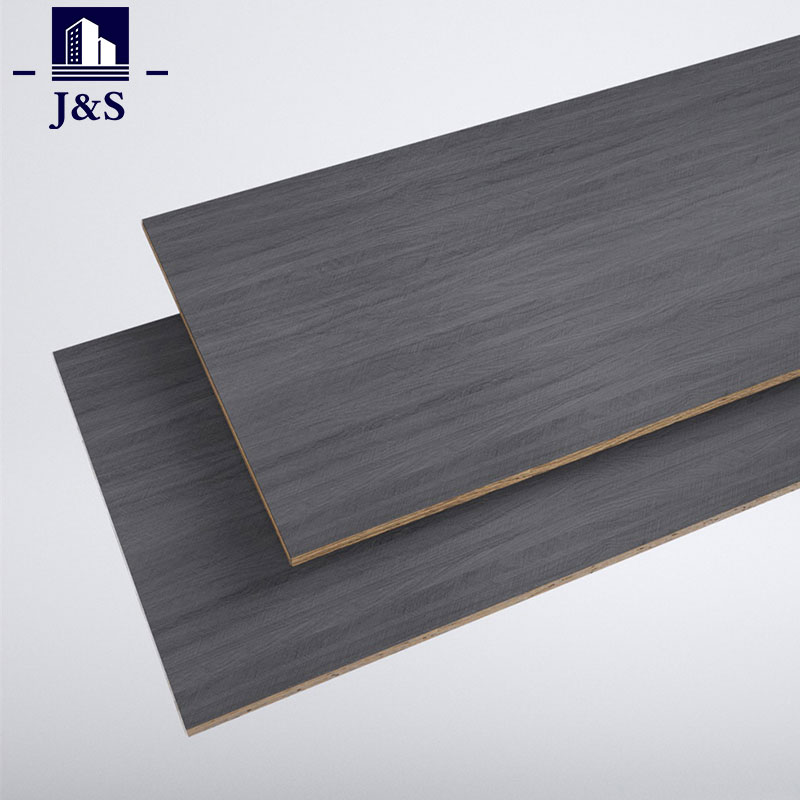
The two most common failure modes for imported flat pack kitchens have nothing to do with the acrylic itself. They stem from the core material and the edge banding process. When you specify Acrylic Panel Kitchen Doors Cabinet Doors, you are essentially buying a composite sandwich. If the layers fail to adhere or if the core vents toxic gas, the door is worthless.
Delamination usually strikes first. Heat from dishwashers, ovens, and localized steam degrades cheap adhesives. The edge tape pulls away, moisture enters the core, and the wood substrate swells. Once the board expands, the structural integrity of the hinge mounts is compromised. You cannot repair a swollen slab door; you can only replace it.
Emissions pose a severe legal and financial risk. US regulations like CARB Phase 2 and EPA TSCA Title VI strictly limit formaldehyde emissions from composite wood products. Importing non-compliant cabinetry means risking heavy fines, failed site inspections, and torn-out kitchens. You cannot fix bad core material after it ships. Specifying the correct adhesive and substrate chemistry before the purchase order is signed is the only way to protect your project margins.
Edge banding dictates the lifespan of a modern slab door. Most budget factories use EVA (ethylene vinyl acetate) glue to attach the edge tape. EVA is a hot-melt adhesive. It melts when heated, sticks to the board, and hardens as it cools. The fatal flaw is that it reactivates when heated again. Install an EVA-banded door next to a self-cleaning oven, and the ambient heat can soften the glue enough for the edge tape to peel back.
PUR (polyurethane reactive) adhesive operates differently. It cures through a chemical reaction with moisture in the air. Once PUR cross-links and hardens, it cannot be melted again. It forms a permanent, heat-resistant, and highly water-resistant bond.
Visually, PUR creates what the industry calls a zero-joint finish. Because the adhesive is fundamentally stronger, the edgebanding machine applies a much thinner layer. An EVA glue line is thick, visible, and collects dirt over time, creating a dark, dirty frame around a white door. A properly calibrated machine running PUR adhesive leaves a glue line practically invisible to the naked eye.
| Performance Metric | Traditional EVA Adhesive | PUR Adhesive |
|---|---|---|
| Curing Mechanism | Thermal (melts and cools) | Chemical (moisture cross-linking) |
| Heat Resistance | Low (reactivates near ovens) | High (will not remelt) |
| Water Resistance | Poor (moisture penetrates glue line) | Excellent (seals the core completely) |
| Visual Glue Line | Thick (0.2mm - 0.3mm) | Invisible (under 0.1mm) |
High-gloss finishes are unforgiving. If the substrate has a wavy surface, the reflective acrylic film will telegraph that defect, creating a distorted funhouse-mirror effect across the entire kitchen. This makes the choice of core material critical.
While plywood holds screws exceptionally well, its alternating veneer layers rarely provide the absolute, dead-flat surface required for premium acrylic fronts. Medium Density Fiberboard (MDF) serves as the standard substrate because its uniform density prevents surface rippling. Frameless cabinet doors require an 18mm thickness to properly seat a standard 35mm European hinge cup without risking blowout on the face. At 18mm, the core material must remain perfectly stable.
You must specify the emission grade explicitly. E1 is the baseline standard for indoor use in many global markets, but E0 is the ultra-low emission standard that progressive US builders demand. Specifying E0 grade MDF or plywood limits formaldehyde emissions to negligible levels. This ensures your wholesale acrylic kitchen cabinet doors pass strict US environmental certifications without off-gassing into the homeowner's living space, keeping you ahead of tightening indoor air quality codes.
Not all high gloss acrylic kitchen doors survive daily use. Standard, unhardened acrylic scratches easily. A homeowner wipes dried tomato sauce off the door with a dry paper towel, and the surface immediately hazes with micro-scratches. Over time, UV exposure from kitchen windows turns crisp white doors a dingy, aged yellow.
To prevent this, high-end manufacturers apply specialized hard-coatings and UV inhibitors to the raw acrylic. South Korean Toray LG films represent the benchmark for this category. They offer intense color depth, high resistance to UV yellowing, and a hardened top layer that withstands standard household cleaning abrasions.
When comparing quotes from different Chinese suppliers, ask exactly whose film the factory applies. Generic, unbranded films save a few dollars per square meter but result in callbacks and ruined reputations within the first year of installation. The surface film is the only part of the cabinet the homeowner actually touches; it is the wrong place to cut costs.
A factory can buy the right E0 boards and premium LG films and still produce a terrible door if their machinery is outdated or their floor processes are chaotic. You are evaluating their process control as much as their raw materials.
Look for factories operating automated European machinery. German-made HOMAG production lines ensure the MDF is cut perfectly square without chipping the delicate acrylic face. If the initial cut is jagged, the edge banding will not sit flush, leaving microscopic gaps for moisture to penetrate and begin the delamination process.
Certifications prove the factory has documented systems, not just good intentions. An ISO9001 certification indicates standardized quality management across the production floor. SGS and CQC audits verify that the factory actually uses the E0 boards and PUR adhesives they claim on their invoices. A facility holding CNAS accreditation maintains an in-house laboratory capable of testing raw materials for moisture content and emission levels before they ever reach the saws.
Shipping air is expensive. Flat pack kitchens dominate the B2B import market because they maximize container density. You can fit significantly more unassembled cabinets into a 40-foot High Cube container, drastically reducing the landed freight cost per unit. This model suits wholesalers who warehouse inventory and large-scale builders with dedicated, cost-effective assembly crews on site.
Assembled shipment saves site labor but multiplies freight costs. If you are importing custom acrylic panel cabinet fronts for a tight-schedule multi-family project where local site labor rates are exorbitant, the math might justify shipping fully assembled boxes. Run the calculation based on your local carpentry rates versus current trans-Pacific freight rates. In most cases, flat-pack offers the best margin protection.
Sourcing premium cabinetry requires a partner with the infrastructure to deliver consistency at scale. J&S Household operates a 21,000-square-meter facility dedicated to engineering high-performance flat pack kitchens, custom cabinets, and bathroom vanities for global B2B buyers.
Our production relies exclusively on E0 and E1 grade MDF or plywood bases, South Korean Toray LG films, and precision HOMAG edgebanders applying PUR adhesive. This combination eliminates the peeling, off-gassing, and scratching that plague inferior imports. With full CNAS, CQC, ISO9001, and SGS certifications, we provide the documented, repeatable quality control US builders require to pass inspections and satisfy homeowners.
Stop risking your project margins on unpredictable finishes and failing adhesives. Review our exact specifications and request a material sample of our acrylic panel kitchen doors to see the zero-joint edge and flawless surface firsthand.


