

As the global construction and interior design industries evolve, the demand for high-performance cabinetry has shifted toward sustainable, tech-integrated, and aesthetically versatile components. Choosing the right Kitchen Cabinet Door is no longer just about style; it is about meeting rigorous environmental standards while ensuring seamless integration into modern smart homes.
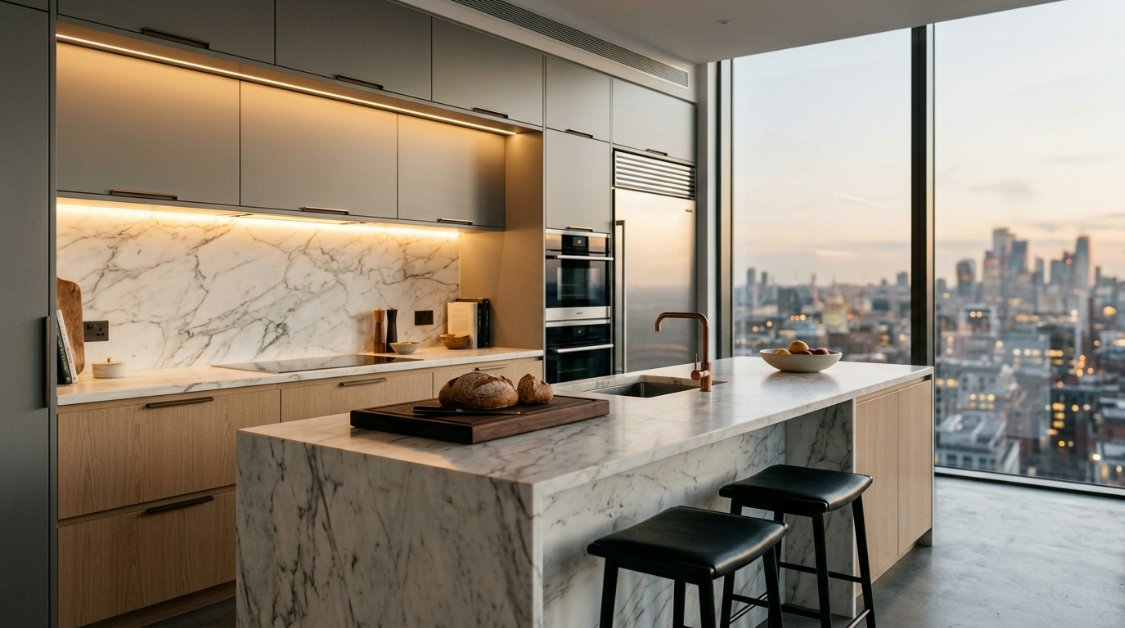
The best kitchen cabinet doors for modern homes currently balance durability with aesthetic sophistication. For 2026, the trend leans heavily toward gray upper cabinets paired with natural wood or matte black lower units. This two-tone approach provides a neutral yet modern palette that appeals to global markets. High-pressure laminates (HPL) and PET-coated surfaces are preferred for their scratch resistance and ease of maintenance.
Next-generation finishes are moving away from high gloss toward ultra-matte textures. These surfaces utilize electron-beam curing (EBC) technology to create a soft-touch feel that is highly resistant to fingerprints. For B2B suppliers, offering these sustainable, low-VOC finishes is essential for meeting the growing consumer demand for healthy indoor air quality.
In the digital-first procurement era, cabinet doors are now designed with digital twins in mind. Manufacturing tolerances are kept at sub-millimeter precision to ensure that physical products perfectly match models used in AI-driven AR visualization tools, allowing homeowners and developers to preview installations with 100% accuracy.
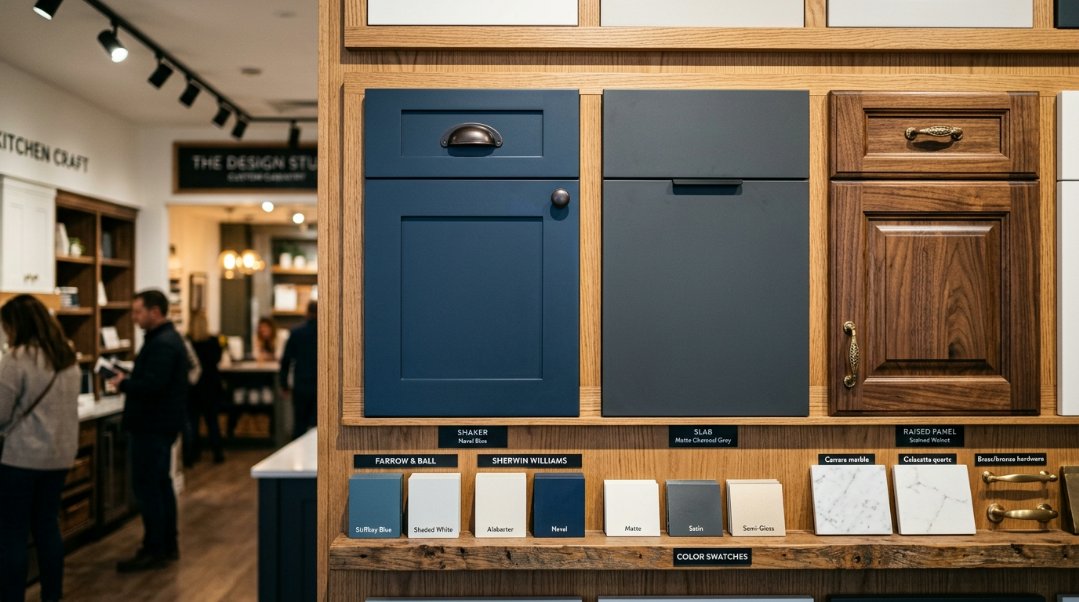
The global market requires a diverse portfolio to satisfy regional architectural preferences. From the minimalist designs of Northern Europe to the traditional aesthetics of North America, understanding these variations is key for successful B2B distribution.
While the Shaker style remains a timeless bestseller due to its versatility, the Modern Slab is gaining ground in urban developments. Slab doors, especially when configured as gray upper cabinets, offer a seamless look that complements handle-less kitchen designs. Raised panels continue to serve the luxury traditional segment, often updated with contemporary paint colors.
The shift toward carbon-neutrality has introduced advanced composites made from recycled agricultural fibers. However, solid wood remains the premium choice for high-end projects, while Thermofoil provides a cost-effective, moisture-resistant solution for multi-unit residential developments.
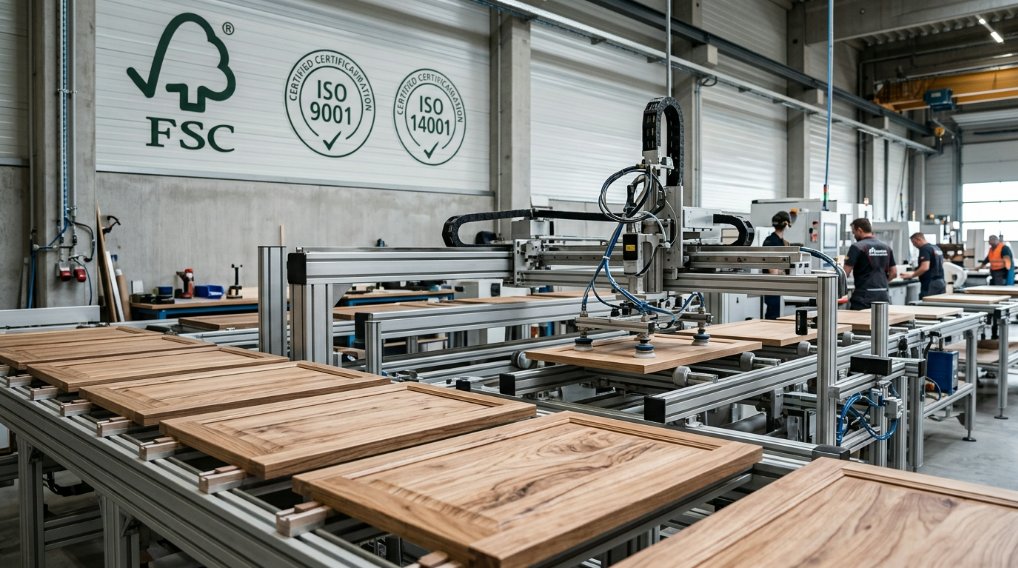
For B2B buyers, verifying compliance with international standards is non-negotiable to ensure entry into regulated markets like the EU and North America.
Sourcing products that meet Forest Stewardship Council (FSC) certification ensures that the timber is harvested responsibly. Furthermore, adhering to CARB Phase 2 and European E1/E0 standards guarantees that the Kitchen Cabinet Door products have minimal formaldehyde emissions, protecting the end-user's health.
Modern manufacturing facilities are now benchmarking their progress against ISO 14001 environmental management systems. B2B buyers are increasingly prioritizing suppliers who utilize solar-powered factories and closed-loop water recycling systems to minimize their carbon footprint.
Standardization is the backbone of global trade in cabinetry. Below are the standard specifications commonly used in international projects.
| Feature | Standard Metric | Standard Imperial |
|---|---|---|
| Thickness | 18mm, 20mm, 22mm | 3/4", 7/8" |
| Standard Widths | 300mm - 600mm | 12" - 24" |
| Edge Banding | 1.0mm - 2.0mm ABS/PVC | Matching Finish |
| Core Material | MDF, HDF, Plywood | Furniture Grade |
Most global manufacturers adhere to the 35mm hinge cup standard. Pre-drilling for international hardware brands like Blum or Hettich is a standard value-add service for B2B contracts, ensuring that the doors are ready for immediate installation upon arrival.
These finishes utilize nano-technology and EBC coatings that create a non-porous surface. This prevents oils from the skin from adhering to the door, while the hardened top layer provides superior scratch resistance compared to traditional lacquers.
Buyers should request third-party LCA (Life Cycle Assessment) reports and verify the supplier's carbon credit offsets or renewable energy certificates. Leading brands in the Kitchen Cabinet Door industry often publish annual sustainability reports.
Flat-panel slab doors with consistent textures are the easiest to render in AR. However, high-quality manufacturers now provide high-resolution BIM (Building Information Modeling) files for all styles, including complex Shaker profiles, to support advanced design software.


