

Gray Kitchen Hardware can mean either hardware finished in gray or hardware selected to complement gray cabinets. Those are different buying briefs. The first is about the color and durability of visible pieces such as knobs, pulls and handles. The second may include black, chrome, nickel, brass or bronze hardware chosen for light gray, charcoal or greige cabinetry.
The phrase can also include functional components that are mostly hidden: drawer slides, lift-up mechanisms and kitchen storage fittings. Before comparing products in a gray kitchen hardware collection, decide which of these categories you actually need.
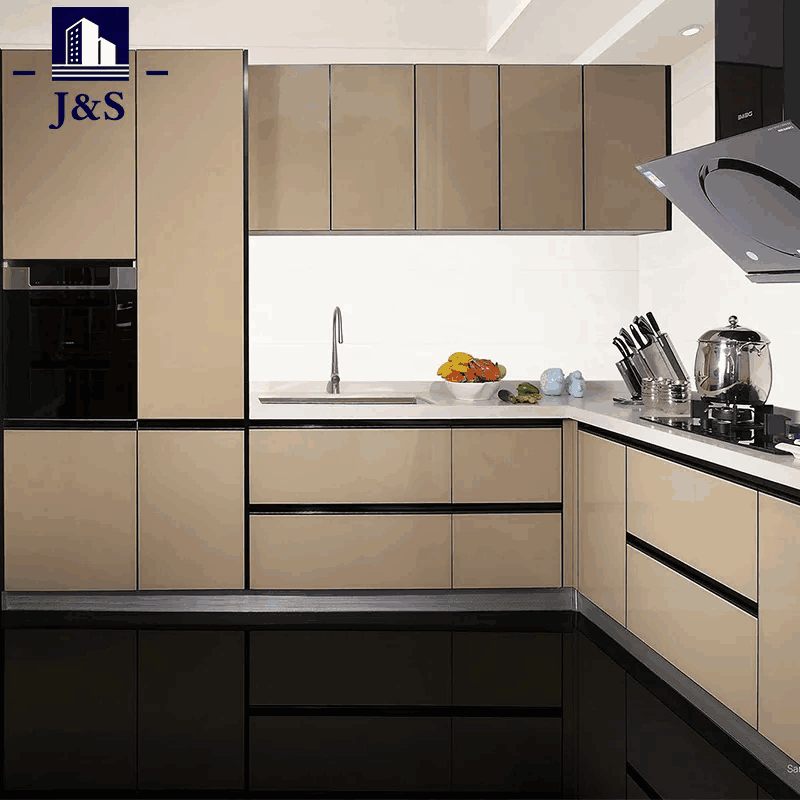
If you want gray-colored handles, specify the finish rather than relying on a color name alone. A cool graphite coating, a warm stone gray and a metallic gunmetal finish can look unrelated once installed. Ask how the finish is produced, what base material it covers and how much variation is acceptable between production batches. A small sample viewed beside the actual cabinet door is more useful than a screen image.
If you need hardware for gray kitchen cabinets, the hardware itself doesn’t have to be gray. Your decision should start with the cabinet undertone, the amount of contrast you want and the surrounding appliances, faucets and lighting. Treat “gray” as a family of colors, not a single finish.
Cabinet hardware falls into two practical groups. Decorative hardware is touched and seen every day. Functional hardware controls movement, load and access. The groups can be purchased together, but they shouldn’t be specified by the same criteria. A handle can succeed because it feels comfortable and suits the door. A drawer slide succeeds because it fits the cabinet geometry and carries the intended load.
Knobs usually require one mounting hole, making them forgiving for new work and some replacements. They have a small visual footprint, but users with wet hands or limited grip may find them less comfortable. Pulls and handles provide more hand contact and work well on wide drawers, though their two-hole spacing must match the drilling pattern.
Door construction matters. Narrow Shaker-style rails may not have room for a wide handle base. Long pulls can dominate a small door, while tiny knobs may feel under-scaled on pantry fronts. Check projection, too: a deep pull can strike an adjacent wall, appliance panel or handle where cabinets meet at a corner. In working kitchens, smooth shapes without deep grooves are generally easier to wipe clean.
Color is secondary for concealed operating hardware. Drawer slides should be selected by mounting type, drawer and cabinet dimensions, extension, closing action and required load capacity. Lift-up systems depend on the door’s size, weight and opening path; the wrong mechanism may fail to hold the front open or may drive it toward the ceiling.
For pull-out storage, verify the clear internal opening rather than the nominal cabinet width. Hinges, face frames, plumbing and door swing can reduce usable space. Also confirm handedness, mounting points and whether any exposed parts need to coordinate with the visible hardware.
Start with a physical cabinet sample under the room’s installed lighting. Gray paint and laminate can shift blue, green, violet or brown depending on the light source and nearby surfaces. Countertops and backsplashes also affect the result. Comparing finish samples in isolation is one of the most common reasons a combination looks wrong after installation.
Black hardware creates a clear outline on light gray doors and can make simple fronts feel more graphic. Chrome and cool nickel-like finishes produce less color conflict with blue-based gray, although polished surfaces show fingerprints and reflect surrounding colors. A gray or muted metal finish gives quieter coordination, but insufficient contrast can make small knobs harder to locate visually.
Don’t force every metal in the room to match exactly. A faucet, appliance handle and cabinet pull can work together if their temperature and sheen feel intentional, even when the finishes aren’t identical.
Black pulls can nearly disappear against charcoal cabinetry. That may suit a minimal design, but it reduces visual definition and can make handles less obvious in dim light. Polished chrome creates the opposite effect, producing sharp highlights and strong reflections.
Greige and brown-based gray often sit comfortably beside warm brass, bronze or muted gold finishes. The trade-off is consistency: warm metallic finishes can vary noticeably by coating method, base material and production lot. If several hardware types must match, approve them together rather than assuming identical finish names will produce identical color.
Replacement handles for gray kitchen cabinets should be selected from the existing holes outward. Remove one handle and measure the center-to-center distance between the screw holes. Don’t use overall handle length as a substitute; two pulls of the same length can have different drilling patterns. Record dimensions in the unit shown on the supplier’s drawing, since rounding between inches and millimeters can leave screws slightly misaligned.
Then check the overall length, projection from the door face and the size of each mounting base. The base must cover old pressure marks or chipped finish if you don’t plan to repair the door. Projection and end overhang need enough clearance at inside corners and beside appliance fronts.
Finally, confirm screw thread, screw length and mounting method against the door or drawer-front thickness. Edge pulls and recessed handles may require routing or a specific edge profile rather than ordinary through-holes. If a drawing omits these details, it isn’t sufficient for a replacement order.
J&S Household presents in-stock, custom, logo-customized, replacement and wholesale options, but its category page does not publish detailed specifications for every item. Buyers should therefore turn the quotation process into a written specification. For the relevant J&S Household kitchen hardware options, request:
Builders, developers, retailers and wholesalers should also confirm how mixed sizes or finishes are labeled. A low unit price loses its advantage quickly when installers must open every carton to find the correct pull.
Buy visible hardware by undertone, contrast, grip and cleaning needs. Buy slides, lift systems and storage fittings by dimensions, movement and load requirements. For replacements, trust measured hole spacing and a dimensioned drawing—not a product photo or finish name. That distinction is what turns the vague phrase “Gray Kitchen Hardware” into a usable specification.


